11 interesting and useful facts you didn't know about nuts
10/31/2019
5,862 views
We eat nuts quite often, but how well do we know these nutritious plants? They possess some truly amazing qualities and hide a lot of secrets – let's learn some of them.
#1

Not all culinary nuts we use are botanical nuts. If fact, we also eat plants that are botanically seeds and legumes. Here is the difference between them and botanical nuts:
Botanical nuts: seeds that are contained inside hard shells which don't open themselves when they are ripe. Examples: hazelnuts, chestnuts, acorns.
Legumes: pods with seeds that open on their own when they are ready to be harvested. Example: peanuts.
Seeds: seeds are the small parts of a plant enclosed in the seed coat or the flesh of the fruit. Like in an apricot, a seed is the reproductive part of the fruit, while botanical nuts are fruits themselves. Examples: almonds, cashews and pecans.
Anyway, in everyday life the term 'nut' is generally applied to all of these plants.
Botanical nuts: seeds that are contained inside hard shells which don't open themselves when they are ripe. Examples: hazelnuts, chestnuts, acorns.
Legumes: pods with seeds that open on their own when they are ready to be harvested. Example: peanuts.
Seeds: seeds are the small parts of a plant enclosed in the seed coat or the flesh of the fruit. Like in an apricot, a seed is the reproductive part of the fruit, while botanical nuts are fruits themselves. Examples: almonds, cashews and pecans.
Anyway, in everyday life the term 'nut' is generally applied to all of these plants.
#2
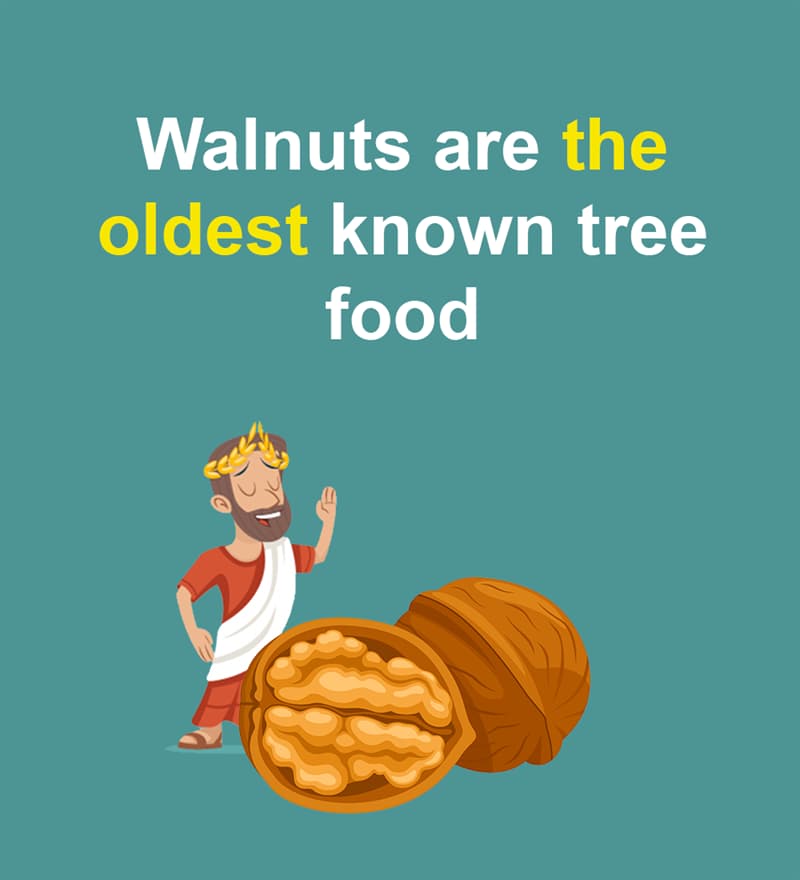
Walnuts date back to 7,000 B.C. The Ancient Romans loved walnuts and called them "Jupiter’s royal acorn."
#3
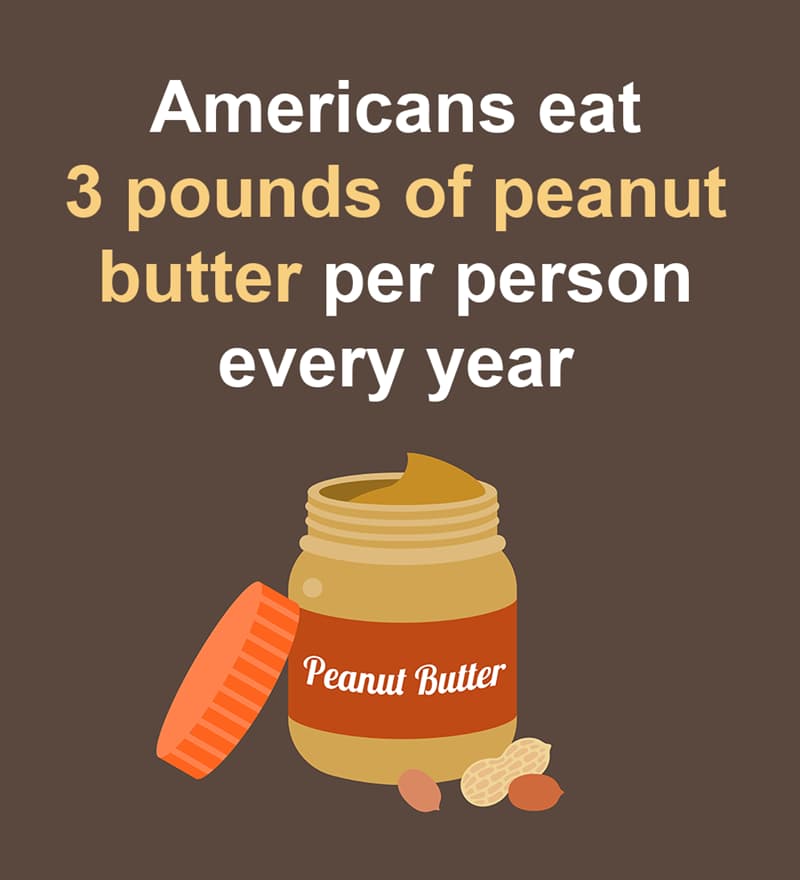
75% of US families always have a jar of peanut butter at home. Interestingly, it can be quite hard to find good peanut butter in some European countries, but its popularity worldwide is increasing rapidly right now.
#4
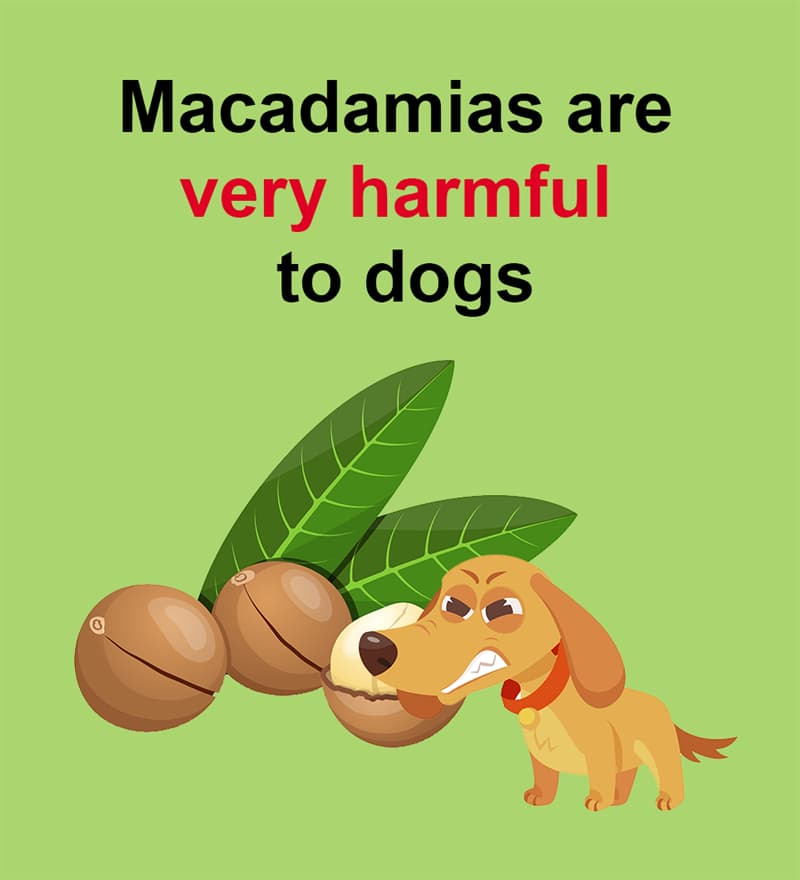
Dogs are the only species in which such signs as vomiting, fever, and depression have been reported after consuming macadamia nuts. Scientists still don't know exactly which macadamia component causes such a reaction.
#5
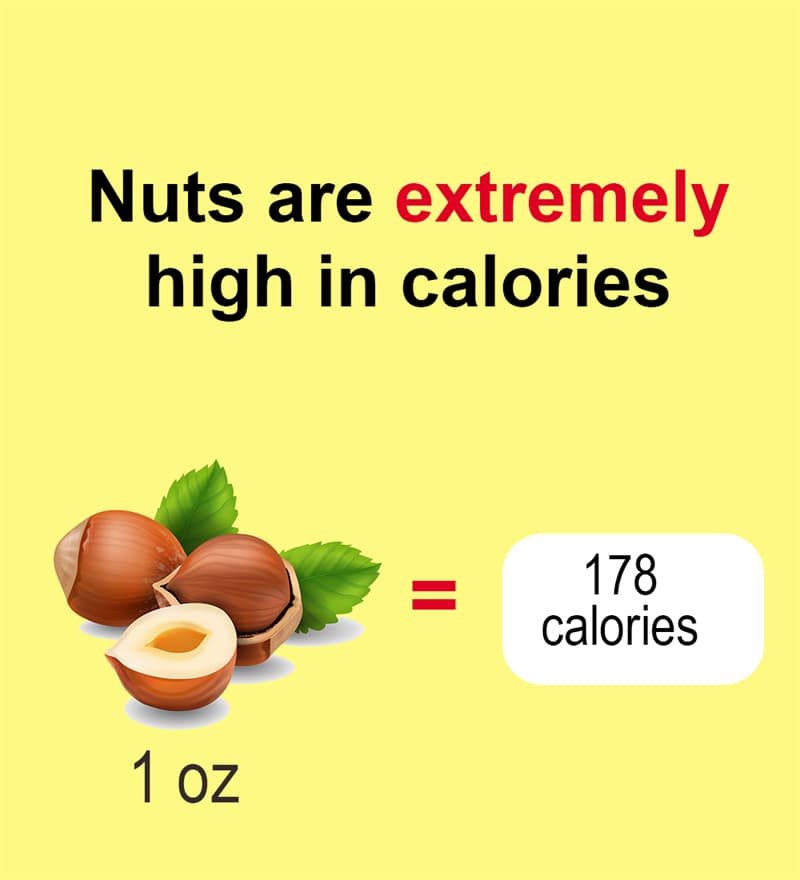
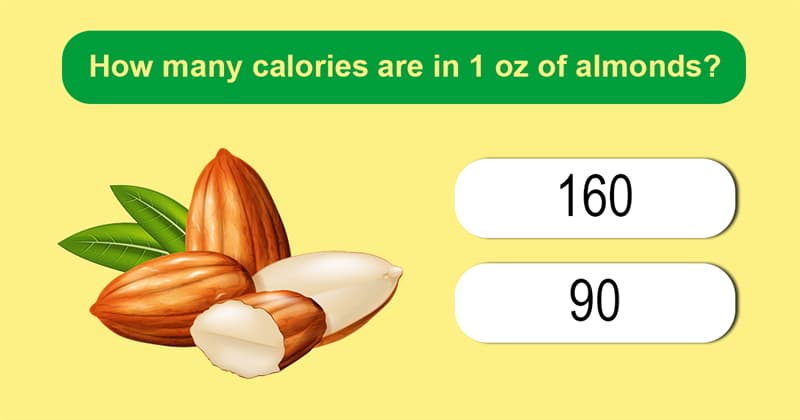
There are 160 calories in an ounce (28 g) of almonds, and they are the lowest-calorie nuts. Most nuts contain 160-200 calories per ounce, which means it's healthy to eat a handful of nuts per day. Unfortunately we usually overeat nuts because they are tasty and small.
#6

Brazil nut is a tree native to South America. Brazil nuts are produced in Guianas, Bolivia, Venezuela, Brazil, eastern Colombia, and eastern Peru. Despite their name, the largest amount of Brazil nuts eaten worldwide is exported from Bolivia.
#7
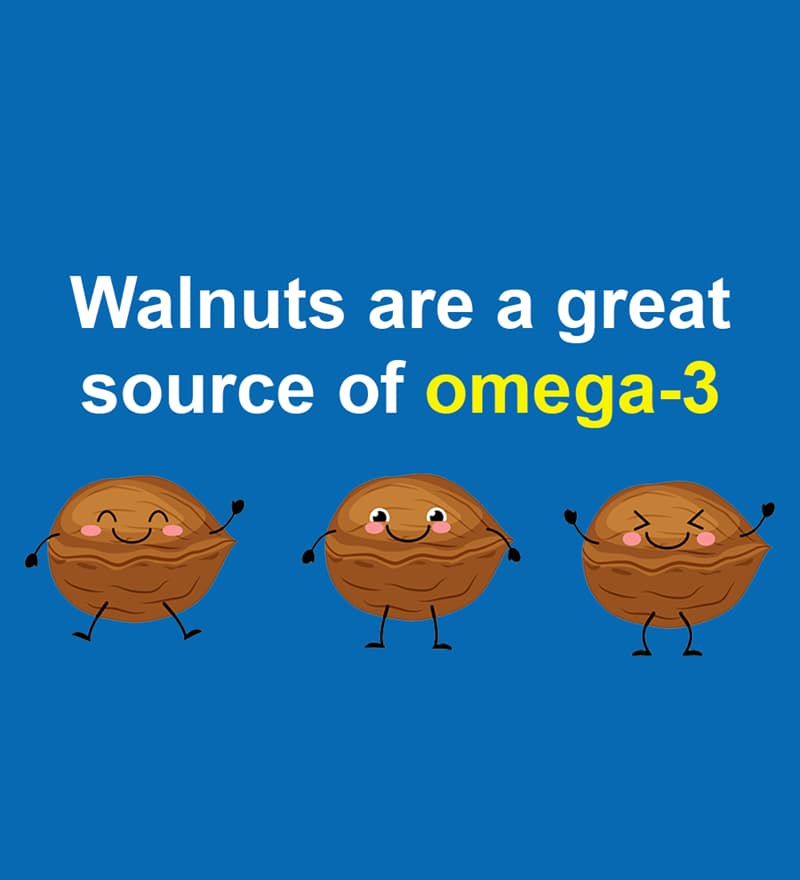
One ounce (28 g) of walnuts contain 2.5 grams of omega-3, while an adequate daily intake is around 1.4 grams. Note that omega-3 derived from fish is different from that derived from nuts, and one type can't substitute the other one. It's important to consume a variety of omega-3 sources.
#8
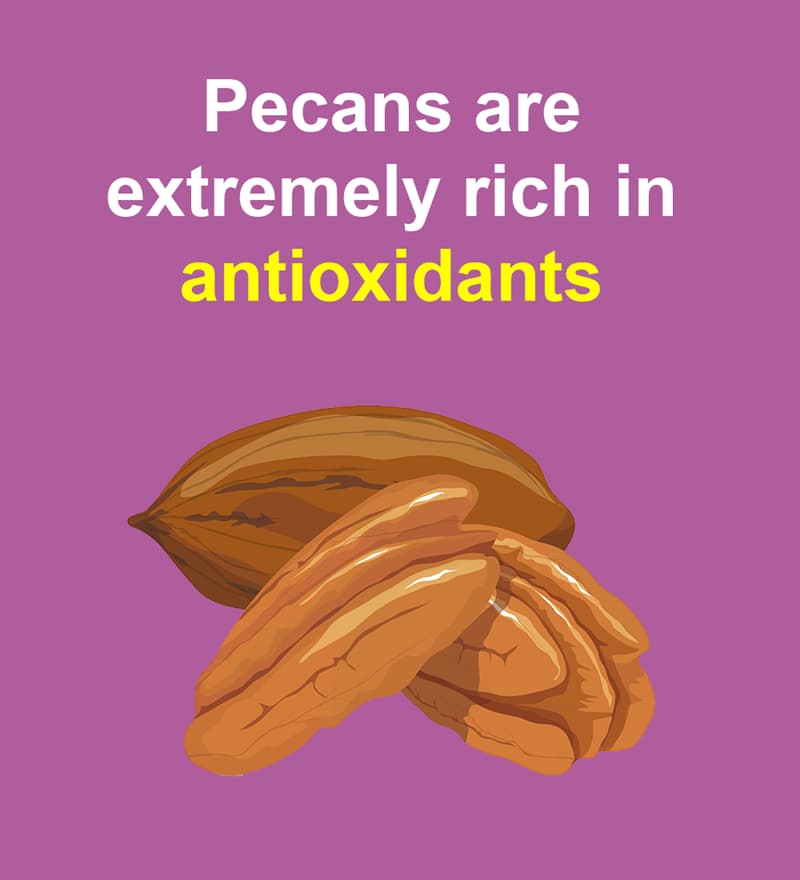
Pecans are in top 15 of all antioxidant rich foods. Antioxidants protect our cells from damage and even can reduce cancer risk.
#9
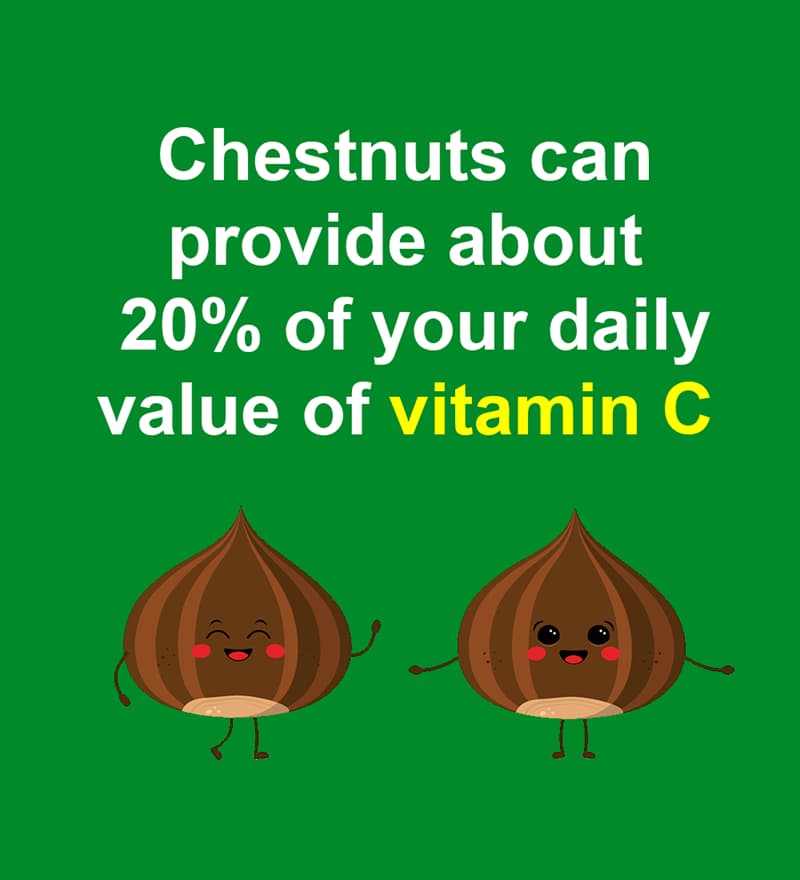
100 grams of chestnuts give you 43 mg of vitamin C. To make it clearer, a medium-sized orange will provide you with approximately 70 mg. For adults, the recommended daily amount for vitamin C is around 70 mg.
#10

Anyway, eating almonds as a component of sweets is not the best idea. Chocolates are very high in sugar, which cuts down the benefits of almonds.
#11
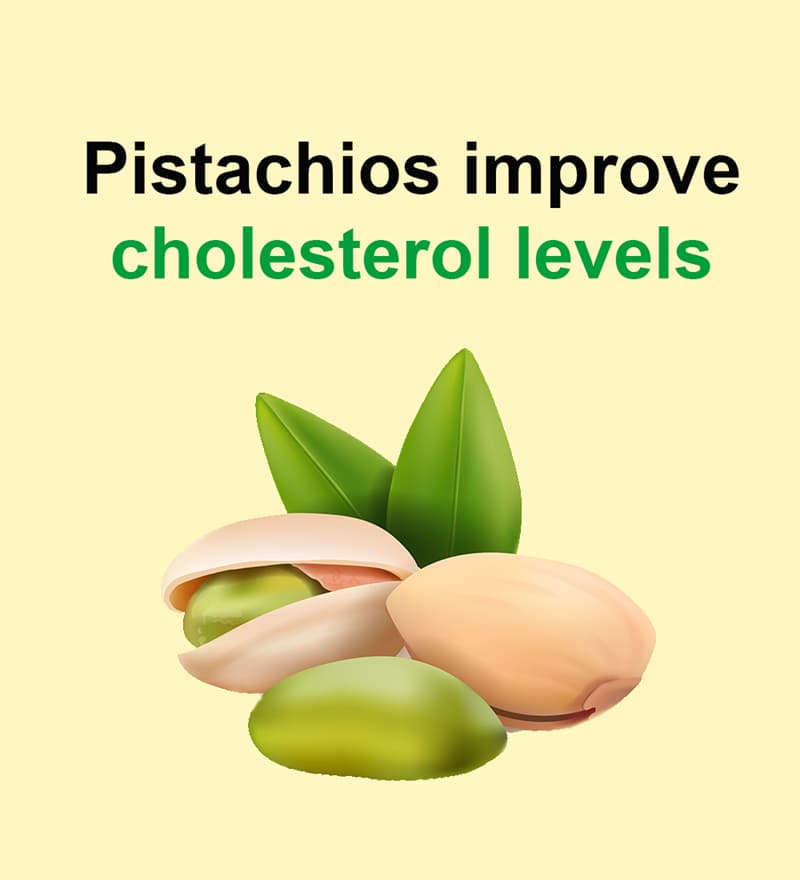
Eating 2–3 ounces (56–84 g) of pistachios a day can help increase your "good" cholesterol.
Was this information new for you? Which 'nut' is your favorite? Will you consider eating more nuts after reading the article?
Tell us in the comments!
SHARE this article with everyone who cares about their HEALTH.
What are your thoughts on this subject?
43 Comments

Christopher Brown
Plenty of different nuts mixed with oats in my home made breakfast cereal and with yogurt and full cream milk to start the day I love it .

Erma Guaracha
Can't have walnuts or cashews I'm allergic to them...

catmom
I liked your info about nuts -- I love cashews, macadamias, walnuts, pecan & chestnuts (warm) the most except brazil nuts.
Caroline Harris
I wondered why my cholesterol always came out so low. Now I know, its because I eat 30 pistachios every day and I have peanuts several time a week, but really eat too many of those at a time.

budderdudder
To add a comment to a comment: It is not unheard of to consume more than 3 pounds of Peanut Butter a year! A 16 oz jar, the standard size on the grocery shelves, is equivalent to 1 pound. So 3 jars is 3 pounds. In 1 year that is quite low consumption. I go through a 16 oz. jar of peanut butter every month!
Ilias Tsiabardas
Is my habit to consume every Day the nut you Mainsion and many Others ,Thank you very much for sharing

Randy Bowen
vasily tchaikovsky, I eat your share and more

vasily tchaikovsky
Thank you very informative,but I do not believ, american eat 3lb peanut butter a year/person

kotakat
My favorite nuts are pecans (except in pecan pie) walnuts, brazil, filberts, and Macadamia. I prefer them most of the unroasted except the Brazil and filberts.
Paunnie Gordon
I love hazelnuts. Their other name is filberts.

Dianne Williams
I love my nuts have them in my muesli at breakfast

Micki Horton
Macadamias are my favourite.

Joy Holbrook
In South Australia, peanut butter is called ‘peanut paste’. Apparently, the dairy industry objected to the word ‘butter’, saying butter is a dairy product.

Ann Maurer Snyder
I love them all my parents have pecan trees in there yard so grew up eating the. Love them for baling too
Mary Bermudez
My favorite nut is almond and hazel nut
Interesting Facts
9 images of crazy moments shot by Internet users
8/12/2021
by
brian l

Here are nine crazy moments shot on camera by internet users :)
5 fascinating kangaroo facts
8/10/2021
by
brian l

Here are five cool facts about these amazing creatures!
5 potentially perilous plants and how to identify them
8/16/2021
by
brian l
Being able to identify perilous plants can save you a lot of hassle. Here are 5 plants you should steer clear of.
You never knew these 8 facts were actually true!
8/7/2021
by
Della Moon

Get ready for a set of big surprises, as you definitely never expected these 8 facts to be true...